I’ve spent 11 years in the NASCAR garage, hauling gear, checking tire pressures, and watching drivers pull out of the cockpit looking like they just went five rounds in a heavyweight fight. If I hear one more person say, “Well, they just sit there, don't they?” I’m going to lose my mind. If you think racing is a sedentary activity, you clearly haven't tried to maintain a 160-beat-per-minute heart rate while pinned in a 140-degree cockpit for three hours.
In this world, we operate on margins of millimeters and milliseconds. When you're managing travel fatigue after a 36-race season, you look for every recovery tool possible. Lately, CBD has become the talk of the hauler. But here is the thing: if your recovery product isn't clean, it isn't recovery. It’s a liability. Let’s talk about why athlete supplement purity isn't just marketing fluff—it’s a performance requirement.
The Myth of the Passive Pilot
Let's debunk the "passive sitting" myth immediately. A NASCAR driver in the middle of a long-track event is dealing with extreme cardiovascular strain. We are talking about core body temperatures that remain elevated for hours. Over in Formula 1 or IndyCar, the G-force loading isn't just hard on the neck; it’s a full-body neuromuscular tax.
At the 15 to 45 minutes following a race, these athletes are in a state of critical physiological flux. They are dehydrated, their electrolytes are in the tank, and their nervous systems are redlined. When a driver or a crew chief reaches for a supplement to manage inflammation or sleep, they aren't looking for a "miracle cure"—they are looking for a reliable variable they can control. If that supplement is tainted with heavy metals or synthetic pesticides, you aren't helping the athlete; you're poisoning their recovery.
The Hemp Bioaccumulator Problem
Here is where the chemistry gets messy. Hemp is a hemp bioaccumulator. That’s not a buzzword; it’s a biological fact. The plant is incredibly efficient at drawing nutrients, but it is equally efficient at pulling heavy metals—like lead, arsenic, mercury, and cadmium—out of the soil. If the soil is contaminated, the plant is contaminated.
This is where soil contamination risk becomes a direct threat to the garage. You can’t just look at a bottle and assume it’s clean. If a brand isn't transparent about their cultivation practices, you are essentially gambling with the athlete's endocrine system. I’ve seen enough "wellness" products come and go; if a brand doesn't have a certificate of analysis (COA), I don't care how sleek their packaging is—it’s not touching my team.
The Athlete Supplement Purity Stakes
Why do I care so much about this? Because I’ve seen the career consequences of a failed drug test. The World Anti-Doping Agency (WADA) does not care if your CBD oil was "organic" or "locally sourced" if it pops for a banned substance or contains contaminants that trigger a red flag.
In the high-stress environment of a racing season, where you are landing in a new city at post-race midnight and trying to force your body to recover before Tuesday morning simulator sessions, you need consistency. You don't have time to deal with the physiological fallout of heavy metal toxicity, which can exacerbate the very inflammation and fatigue you are trying to mitigate.
Even The Permanente Journal has documented the complexities of CBD use, highlighting that while there is potential for symptom management, the lack of standardized regulation means the consumer is responsible for their own vetting. If you are not checking third-party lab testing, you are failing the most basic due diligence required for professional-grade performance.
What to Look For:
- Third-Party Lab Testing: This is non-negotiable. If it isn't tested by an independent facility that has no financial ties to the brand, it didn't happen. The COA: Always demand a current COA. If the COA is from 2021, walk away. I want to see batch-specific testing. If a company can't provide a COA that matches the batch number on the bottle, don't trust it. Pesticide Screening: Ensure the lab results specifically test for a broad panel of pesticides. Hand-wavy "detox" marketing talk is a massive red flag—if they aren't showing the data, they're hiding the dirt.
A Look at the Landscape: Brands and Transparency
speedwaydigest.comThere are companies out there doing this the right way. Brands like Joy Organics have built their reputation on being open about their testing protocols and their COAs. When I look at a product, I’m looking for consistency. If I grab a bottle at post-race midnight, I need to know exactly what is in it. I don't want "proprietary blends" that hide cheap fillers. I want to see the heavy metal testing and the pesticide panels. If you can't provide that, you don't belong in the high-stakes world of motorsports wellness.
The Risks: A Quick Reference Table
If you're wondering why we are so obsessive about this, here is a breakdown of what happens when you ignore third-party verification:

Final Thoughts: Don't Buy the Hype, Buy the Data
We work too hard in the shop and at the track to let some fly-by-night supplement brand compromise our performance. Racing is a sport of physics, engineering, and human endurance. When we introduce recovery agents like CBD, they have to be held to the same rigorous standards we apply to our suspension components and our fuel blends.
My advice? Stop listening to influencers and start looking at the paperwork. If a brand gives you the run-around when you ask for their latest third-party lab testing results, they aren't prioritizing your health. They are prioritizing their bottom line.
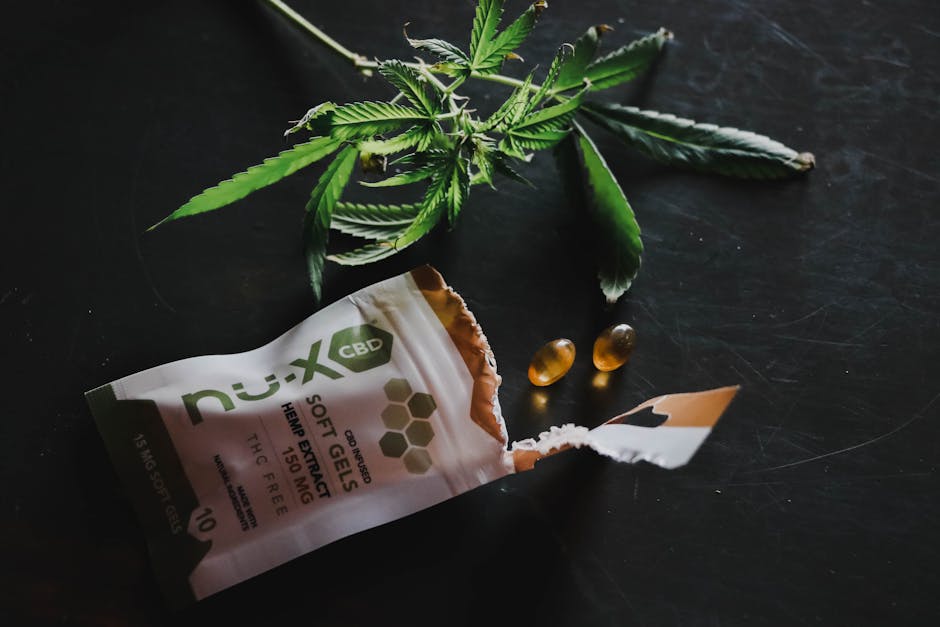
Next time you’re looking to support your recovery after a long weekend, show me the COA. If it’s not there, it’s just expensive, potentially toxic noise. Stay safe, keep your data clean, and stay fast.