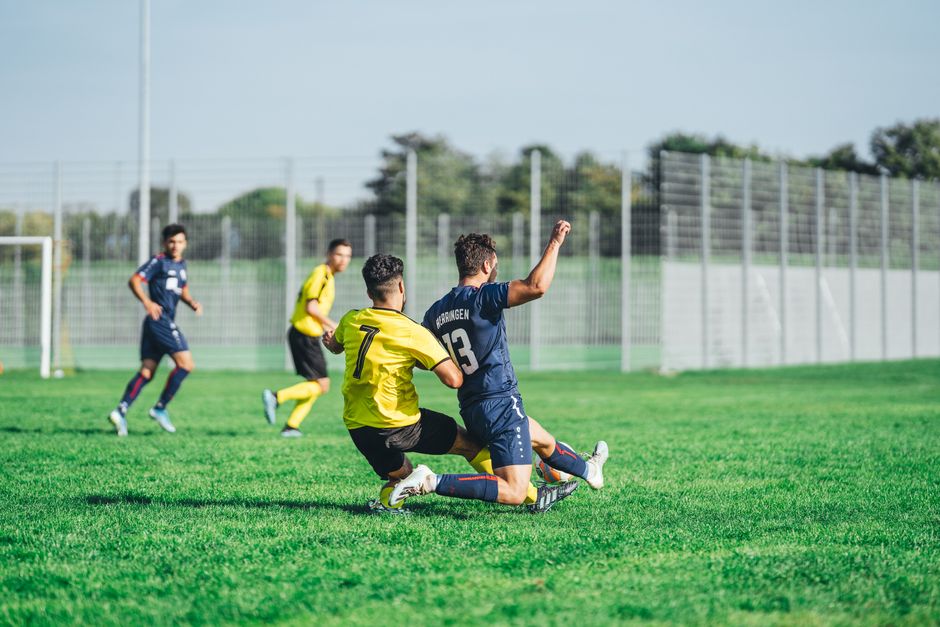
It is 6:30 AM on a Monday. My alarm is screaming. I try to roll out of bed, but my quads feel like they’ve been replaced by two rusted scaffolding poles. Every step toward the kettle is a tactical calculation. How much weight can I put on the left knee? Can I avoid stairs? This is the reality of lower-league football, a life lived in the shadows of the "big game" narrative.
https://www.pieandbovril.com/general/the-physical-reality-of-scottish-football-what-happens-after-the-final-whistleFor nine years, I balanced a 9-to-5 desk job with a part-time contract at a club where the physio was usually just a bucket of ice and a guy named "Big Tam" who knew a bit about massage. We didn’t have recovery protocols. We had grit. Or, at least, that’s what we called it while we were destroying our bodies for a win bonus that barely covered the petrol.
If you are looking for advice on how to pop pills to get through the 90 minutes, close this tab. This is about pain management football without turning your stomach lining into sandpaper. It’s about surviving the season, not just the match.
The Toughness Myth: Why "Rub Some Dirt on It" is Killing You
There is a culture in football that treats physical pain like a badge of honor. You hear it in the changing rooms: "If you aren't playing through the pain, you don't want it enough." It’s garbage. It is empty toughness talk used by people who don't have to walk to a desk job on a Monday morning.
Chronic pain isn't a sign of commitment. It is a sign of cumulative strain. When you play part-time, you don't have the luxury of professional-grade load management. You are working all day, commuting, training, and then playing high-intensity games on unforgiving surfaces. Ignoring the signals your body sends is the fastest way to force an early retirement.
True toughness is doing the boring work to prevent the pain in the first place. It is not playing on a torn hamstring because your manager told you the team was short-handed.
The Part-Time Reality: Resources Don't Exist
Let’s be honest. If you are playing non-league, you do not have a dedicated recovery suite. You don’t have a nutritionist analyzing your macros, and you certainly don’t have a laser therapy machine waiting for you at the tunnel. You have your bedroom floor, a foam roller, and hopefully, a bag of frozen peas.
Because you lack professional-level resources, you have to be your own expert. You are managing your body in a vacuum. If you don't build a routine, your joints will pay the price by age 30. Check out our general football archive for more on the realities of the game that don't make the highlights reel.
Surfaces, Duels, and the Anatomy of Impact
We’ve all played on those 3G pitches that feel like playing on a carpet laid over concrete. They are unforgiving. Exactly.. Unlike natural grass, which absorbs some of the force of a change of direction, artificial turf throws that force right back into your knees, ankles, and lower back.
When you combine hard surfaces with the physical duels typical of the lower leagues, you are looking at constant micro-trauma. You aren't just playing football; you are sustaining a car crash every seven days.. That said, there are exceptions
The "Surface" Scorecard
Surface Type Primary Stress Point Recovery Priority Dry, Hard Grass Ankles / Calves Soft tissue release Artificial (3G/4G) Knees / Hips Joint mobility / De-loading Mud / Heavy Ground Hamstrings / Groin Stretching / HydrationNon-Drug Options for Sustainable Recovery
If you want to avoid the weekly ibuprofen habit, you need to treat your body like the machine it is. None of this is "clinical jargon." It is just basic maintenance. If you neglect it, you rust.
Active Recovery: Do not sit on the couch all Sunday. You will stiffen up. A light 15-minute walk or a spin on a stationary bike gets the blood flowing to the damaged tissues. It’s the difference between walking comfortably on Monday and limping to the bus stop. Eccentric Strengthening: Most players focus on "pushing." You need to focus on "braking." Eccentric exercises (like slow, controlled hamstring curls) strengthen the muscle while it lengthens. This is the best defense against the dreaded tear. Temperature Cycling: Use heat to increase blood flow to tight muscles, and cold to manage acute swelling after a particularly physical match. It’s not magic, it’s biology. Nutrition as Maintenance: Your body needs the raw materials to repair the damage. If you’re living on fast food after the game, you aren't giving your muscles the building blocks they need. Focus on anti-inflammatory foods like berries, leafy greens, and oily fish.For more specific guidance on understanding inflammatory responses and when to move past self-management, I highly recommend consulting resources like the Cleveland Clinic’s information on chronic pain management. They provide the medical baseline you need to ensure you aren't masking something more serious than a "knock."
When to Stop Being "Tough"
There is a massive difference between "football soreness" and an actual injury. Soreness is a dull ache that moves around and dissipates with movement. An injury is sharp, localized, and persists long after the adrenaline has worn off.
If you find yourself constantly reaching for anti-inflammatories just to get through a training session, you have lost the plot. This reminds me of something that happened was shocked by the final bill.. You are no longer managing your health; you are managing a decline. In the part-time game, you have to prioritize your ability to earn a living on Monday morning over a three-point bonus on Saturday afternoon.
A Simple "Check-in" Protocol for Your Sunday:
- The Range of Motion Test: Can you touch your toes? If the pain is sharp and limits your movement, take the day off. The Squat Test: Can you do ten bodyweight squats without a sharp, stabbing sensation? If no, you aren't playing the next game. The Sleep Test: Did you wake up in the night because of the pain? If yes, see a professional.
Stop pretending you are a professional player with a multi-million-pound contract. You are a human being who has a life outside of that white line. Manage your recovery with the same intensity you bring to your slide tackles. Your body will thank you in ten years.
And for the love of everything, stretch your calves. You'll thank me on Monday morning.