My alarm clock is a non-negotiable piece of gear. Every single morning during the season, whether I’m chasing bugles in September or grinding through a late-season whitetail sit, that 3:30 AM alarm goes off. If I’m lucky, I get to hit snooze until 4:00 AM, but usually, that’s when the coffee hits the jetboil and the real work begins.
After twelve years of writing about bowhunting and my time as a wildland EMT, I’ve seen enough "tactical" recovery advice to make me want to hang up my boots. Most of it is marketing fluff designed to sell you fancy compression gear or gadgets that aren't worth the weight in your pack. The reality of hunting is simple: it’s sustained athletic output. You are hauling 80-pound packs over deadfall, navigating vertical terrain, and shivering in stands for hours on end. If you want to perform tomorrow, you have to prioritize your recovery today.
I’ve learned the hard way that recovery isn't measured in hours—it’s measured in minutes. It’s about how efficiently you can turn those critical minutes between hunts into a return to baseline. Today, we’re cutting through the noise to answer the most common question I get in camp: Should you sit in that creek or ice bath for 10 or 15 minutes?
Bowhunting as Sustained Athletic Output
People love to talk about "training" for the hunt, but they usually focus on the gym. They throw around technical jargon about VO2 max and hypertrophic thresholds that don’t mean a damn thing when you’re three miles deep with a quartered-out bull on your back. Real bowhunting is about endurance, stability, and the ability to manage acute inflammation.
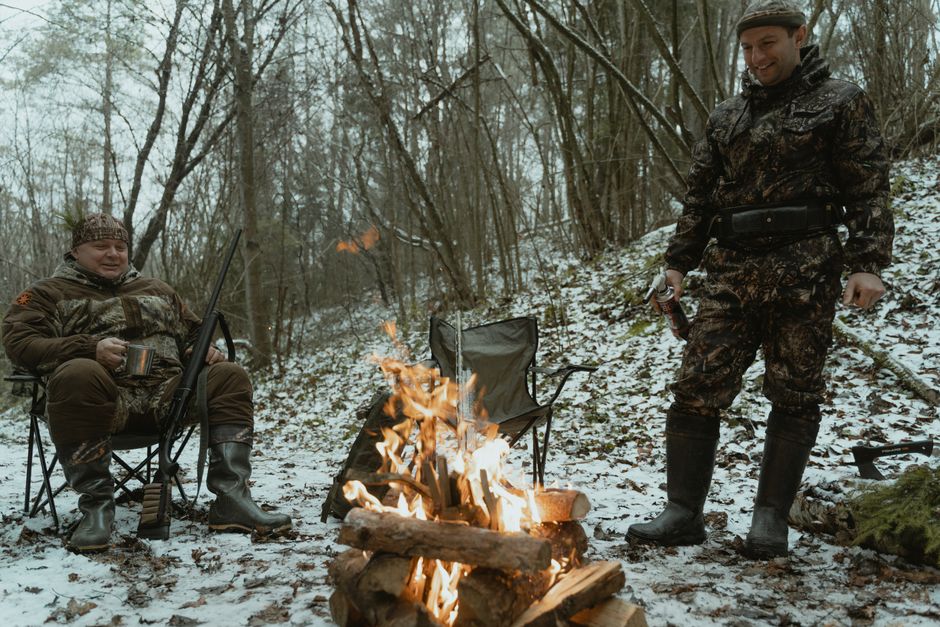
When you put your body through the wringer of a backcountry harvest, you are creating massive amounts of micro-trauma in your muscle fibers. That’s not a bad thing—that’s the work. But if you don’t manage that inflammation, your "performance window" shrinks. I’ve seen guys drop out of a five-day trip because they ignored their recovery on Day Two. You can’t hunt effectively if you can’t move effectively.
The 10 to 15 Minute Cold Soak: What the Science Says
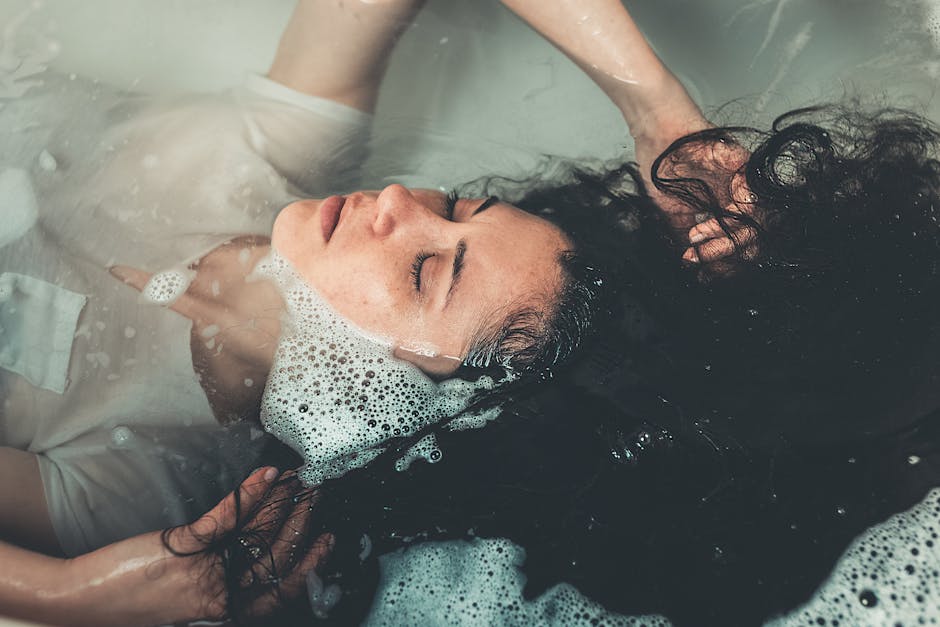
Let's talk about the cold soak. Whether you are using a portable tub in camp or finding a frigid high-country stream, the goal is vasoconstriction and the reduction of systemic inflammation. There is a lot of debate on the duration, but let's look at the actual physiological impact.
Research published in The Permanente Journal has touched on the benefits of cryotherapy and cold-water immersion for reducing delayed onset muscle soreness (DOMS) and systemic inflammation. For the average hunter, 10 to 15 minutes is the sweet spot. If you do less than 10, you aren't allowing the core body temperature to drop enough to trigger the necessary systemic anti-inflammatory response. If you go beyond 15, you start seeing diminishing returns and, in some cases, an increased risk of tissue irritation.
Comparison: The Recovery Window
Duration Physiological Result Hunter Recommendation < 5 Minutes Superficial cooling, mostly psychological "shock." Skip it—not worth the effort. 10 - 15 Minutes Optimal reduction in acute inflammation and muscle tension. The "Gold Standard" for recovery. > 20 Minutes Risk of excessive shivering and potential tissue damage. Avoid; counterproductive to rest.Don't Ignore Your Hydration (Yes, Even When It's Cold)
One of my biggest pet peeves? People who think they only need electrolytes in the heat. It drives me crazy. When it’s 20 degrees and you’re sweating under layers of merino, you’re losing salts just as fast as you would in a Nebraska heatwave. If you skip your electrolyte packets because "it’s not hot out," you’re essentially sabotaging your own recovery before you even step back into the woods.
Your muscles need those minerals to facilitate the recovery process. I keep a stash of packets in my kit, and they are the first thing I reach for after a soak. You can't rebuild muscle tissues if you're dehydrated at the cellular level.
Sleep Quality: The Foundation of Every Hunt
I don’t care how much time you spend in a cold soak; if you aren't sleeping, you aren't recovering. Bowhunting is a high-cortisol activity. You’re jacked up on adrenaline, your mind is racing about the elk you spooked, and you’re trying to sleep on a thin pad. This is where my "nightstand routine" comes in. And yes, I literally have a nightstand setup even in a tent.
I keep my recovery essentials right there so I don't have to think about them when I’m exhausted. This includes my Joy Organics organic CBD gummies. I’ve been using them for a long time as a nightly wind-down tool. They help me shift out of "hunter mode"—that hyper-vigilant state where every snap of a twig outside the tent feels like a threat—and into a state of actual, restorative sleep.
As I’ve mentioned in past columns for North American Bow Hunter, your nervous system takes a beating during the season. A CBD gummy helps smooth out those jagged edges. When I hit the pillow, I want to be out cold. Quality sleep is where the magic happens; it’s where your tissues repair the damage from the 10-mile pack-out, and it’s what allows me to wake up at 3:30 AM ready to do it all over again.
Building Your Hunter Recovery Routine
If you want to stay in the field longer, you have to treat your body like an athlete. It doesn’t have to be complicated, but it does have to be disciplined. nabowhunter.com Here is how I structure my post-hunt recovery:
Immediate Rehydration: As soon as I’m back at camp, I’m drinking 16 ounces of water with an electrolyte packet. The 10 to 15 Minute Cold Soak: If there is water nearby, I’m in it. I set a timer. 12 minutes is usually my sweet spot. It clears the mental fog and settles the inflammation. Protein/Caloric Intake: Get the fuel in immediately. Recovery requires raw materials. The Nightstand Routine: Before I climb into the sleeping bag, I make sure my gear for the morning is prepped. Then, I take my Joy Organics organic CBD gummies to ensure the transition to sleep is fast and deep.Final Thoughts
Stop looking for the magic pill. There isn't one. Performance in the field is the accumulation of hundreds of small, boring, disciplined choices. It’s staying hydrated, it’s managing your inflammation with a proper cold soak, and it’s respecting the necessity of deep, uninterrupted sleep.
Don't be the guy who burns out on Day Three because he thought he was "tough enough" to ignore his body. Use your minutes wisely. Pack the electrolytes, find the cold water, and make sure your sleep environment is dialed. The mountain isn't going anywhere, but you need to be ready when the moment of truth arrives. Now, get some sleep—that alarm is going off at 4:00 AM.