Baseball is a game deeply influenced by situational quirks — the weather, travel, rest days, and sometimes, an unexpected rain delay. While rain delays can feel like a hiccup to fans and broadcasters, their impact on a team's pitching strategy, especially bullpen usage, is profound and complex. Even when the game reaches its natural conclusion, these interruptions can alter how managers deploy arms, potentially affecting outcomes well beyond the rain’s passing.
Drawing on real-time odds from offshore sources like Oddstrader and current MLB injury news — such as Shohei Ohtani's expected return to the lineup on September 23 per MLB.com — this post explores the nuanced ways in which rain delays influence bullpen depletion, starter workload management, and lineup construction.
The Starting Point: Confirmed Starter Versus Probable Starter
One critical factor in assessing rain delay pitching effects is distinguishing between a confirmed starter and a probable starter. The confirmed starter is the pitcher officially announced before game day, expected to take the mound barring unforeseen circumstances. The probable starter is more fluid, often based on rotations, rest, and matchup optimization. Rain delays can blur this distinction, forcing managers to rethink plans mid-game.
- Confirmed Starter: Managers plan bullpen usage around the anticipated innings a confirmed starter will throw. A long delay can disrupt that expectation, potentially limiting a starter’s effectiveness or stamina upon resumption. Probable Starter: When a pitcher’s status is less certain, added weather delays often prompt a manager to adjust plans sooner, perhaps deploying relievers earlier or differently than intended to respond to uncertain starter workload.
For example, if a confirmed starter is due to pitch deep into the game, a lengthy rain delay could affect his warmup routine, muscle readiness, and mental focus — factors that may cause the skipper to shorten starter’s outing to preserve arm health, increasing bullpen usage.
Starter Workload and Pitch Count Context
Pitch count remains one of a manager’s most critical metrics when deciding when to pull a starter. A rain delay interrupts the flow of a game and complicates this analysis.

Hence, a starter’s pitch count before and after the delay must be interpreted carefully, as the physiological toll is often underestimated in raw numbers alone.
Lineup Construction and Rest Days
Beyond the mound, rain delays subtly reshape the entire lineup’s structure and rest management, creating a ripple effect in bullpen use.
- Days of Rest Impact: Rain delays can extend the game day and push back pitchers' scheduled usage plans for subsequent days. A manager may be forced to burn through relievers sooner, impacting plans for future games. Pinch Hitting Strategy: When a delay is on the horizon, managers might hold back pinch hitters or be more conservative with substitutions, indirectly affecting pitcher usage by weakening matchups and necessitating longer bullpen outings. Roster Flexibility: Teams with versatile bench players and multi-inning relievers can better weather these storms, adjusting the lineup and bullpen on the fly without jeopardizing future game plans.
For example, a manager loaded with righty and lefty bullpen arms might shift leverage roles multiple times during post-delay innings, balancing pitcher availability and rest against platoon splits and handedness of opposing batters.
Platoon Splits and Handedness: Tactical Bullets During Rain Delays
Handedness matchups — righty versus lefty and vice versa — are among the manager's most critical tactical considerations when deploying pitch arms. Rain delays complicate these decisions.
- Warming Up Multiple Times: Relievers called upon after delays often must warm up multiple times, increasing physical and mental fatigue. This affects which bullpen arms you can reliably trust for high-leverage, short-notice appearances. Frequent Matchup Changes: Managers leveraging platoon advantages want to summon the optimal piece for each batter's handedness. After a rain delay, with an already taxed bullpen due to shortened starter times, matchups may become less than ideal. Stretching Bullpen Usage: In tight games extending late, managers might need to use relievers more flexibly irrespective of traditional platoon splits, potentially reducing matchup success in pursuit of bullpen conservation.
This complex balancing act often unfolds in real time as managers must decide between burning through preferred matchup arms versus conserving pitchers for the next few games. Real-time analytics resources, dodgerblue such as Oddstrader, provide updated game state odds that can influence these tough decisions near instantly.
Case Study: Recent Dodgers Rain Delay and Bullpen Management
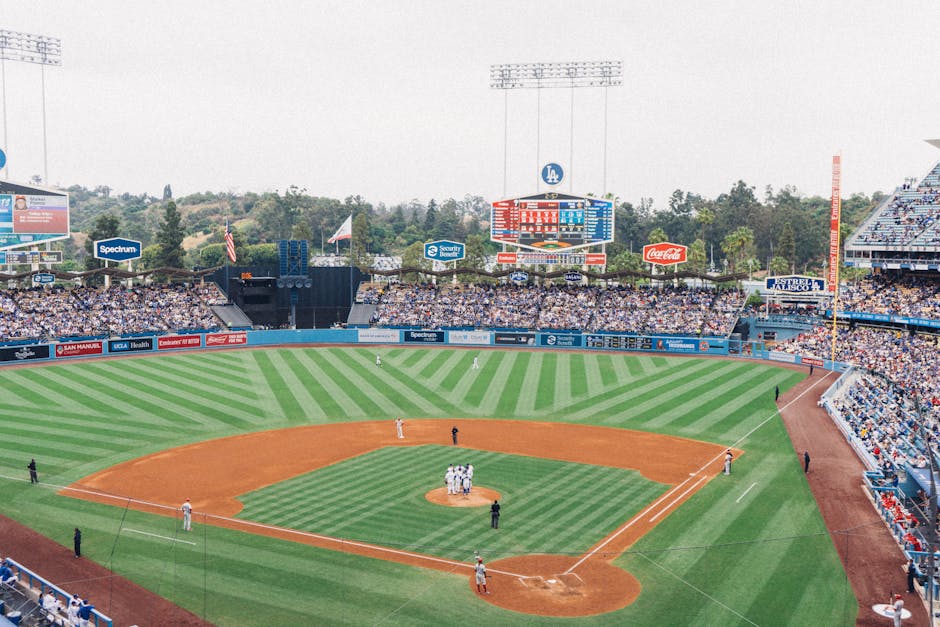
Consider the recent Los Angeles Dodgers game affected by rain delays in September, just as Shohei Ohtani was approaching his expected return on September 23 (MLB.com report). The Dodgers had a confirmed starter with a high pitch count approaching 90 and several relievers already active in recent outings.
Phase Pitcher Usage Impact of Rain Delay Pre-Delay Starter throwing efficiently, approaching pitch count limit Manager planned starter to go 6-7 innings, bullpen ready in middle innings Delay Period Starter warm-up interrupted multiple times; relievers kept ready to enter Fatigue concerns raised, prompt early starter removal post-delay Post-Delay Several relievers used in shorter bursts to cover remaining innings Bulpen arms warmed up multiple times, reducing effectiveness and increasing riskThis example demonstrates the domino effect rain delays have, from starter workload considerations and bullpen depletion to lineup flexibility and matchup decisions shaped by pitchers’ handedness. While the Dodgers successfully closed out the game, continued heavy bullpen usage raised questions about arm health and future availability, especially vital as key bats like Ohtani return.
Common Mistakes to Avoid When Analyzing Rain Delay Effects
A frequent mistake in evaluating rain delays’ impact is focusing too narrowly on surface stats or treating the interruption as a mere pause.
- Avoid Using Ticket Prices or Betting Lines as Pitching Indicators: Raw data scraped from oddsmakers or ticket platforms should not be confused with pitching workload or bullpen health metrics. There are no direct correlations — don’t try to interpret product pricing into pitcher usage insight. Don’t Underestimate the Physical Toll of Warm-Ups: Watching a reliever throw consistent warmups on the mound isn’t just routine — it adds cumulative fatigue that isn't reflected in pitch counts alone. Look Beyond the Game’s Final Score: Even if the game finishes without postponement or suspension, rain delays set off a cascade of managerial decisions influencing future games in the series. Contextualize Starter and Reliever Roles Carefully: Understand who was expected to pitch and who ended up on the mound post-delay. Confirmed starters disrupted by delay may indicate more bullpen usage compared to games started by probable starters or openers.
Final Thoughts
Rain delay pitching is an underappreciated factor that influences bullpen depletion, starter workload management, and overall team strategy. Managers must juggle multiple, competing demands:
- Handling confirmed and probable starters’ health and performance. Adjusting to pitch count and fatigue considerations beyond raw numbers. Balancing lineup construction and days of rest, especially with star players like Ohtani rejoining the fold. Optimizing substitutions and matchup plays based on platoon splits and handedness, often on very short notice.
Even when the game finishes on time, the impacts ripple through bullpen usage patterns and team performance across the series. Fans and analysts alike benefit from appreciating these subtle, strategic layers that rain delays impose beyond the obvious stoppage.
Stay tuned for continued updates and lineup analyses, especially as we track key Dodgers injury returns and rotation adjustments in the crucial September stretch. For the latest odds and in-depth game insights, keep an eye on trusted sources like Oddstrader and official MLB news outlets.